
Search San Diego Arrest Records
San Diego arrest records are managed by the San Diego Police Department for city arrests and the San Diego County Sheriff for jail custody. The city has over 1.4 million residents and one of the largest police forces in California. When someone gets arrested in San Diego, the police department creates a report that becomes part of the public record system. You can search for these records online through the city's portal or request copies by mail, email, or in person at SDPD headquarters. The county sheriff maintains the jail roster for those in custody.
San Diego Quick Facts
San Diego Police Arrest Reports
The San Diego Police Department handles records requests through its records division. You can get police reports at sandiego.gov/police/services/get-police-report. The fee is $12 for most reports. Arrest report copies cost $0.50 for the first page only. Crime victims get one free copy.
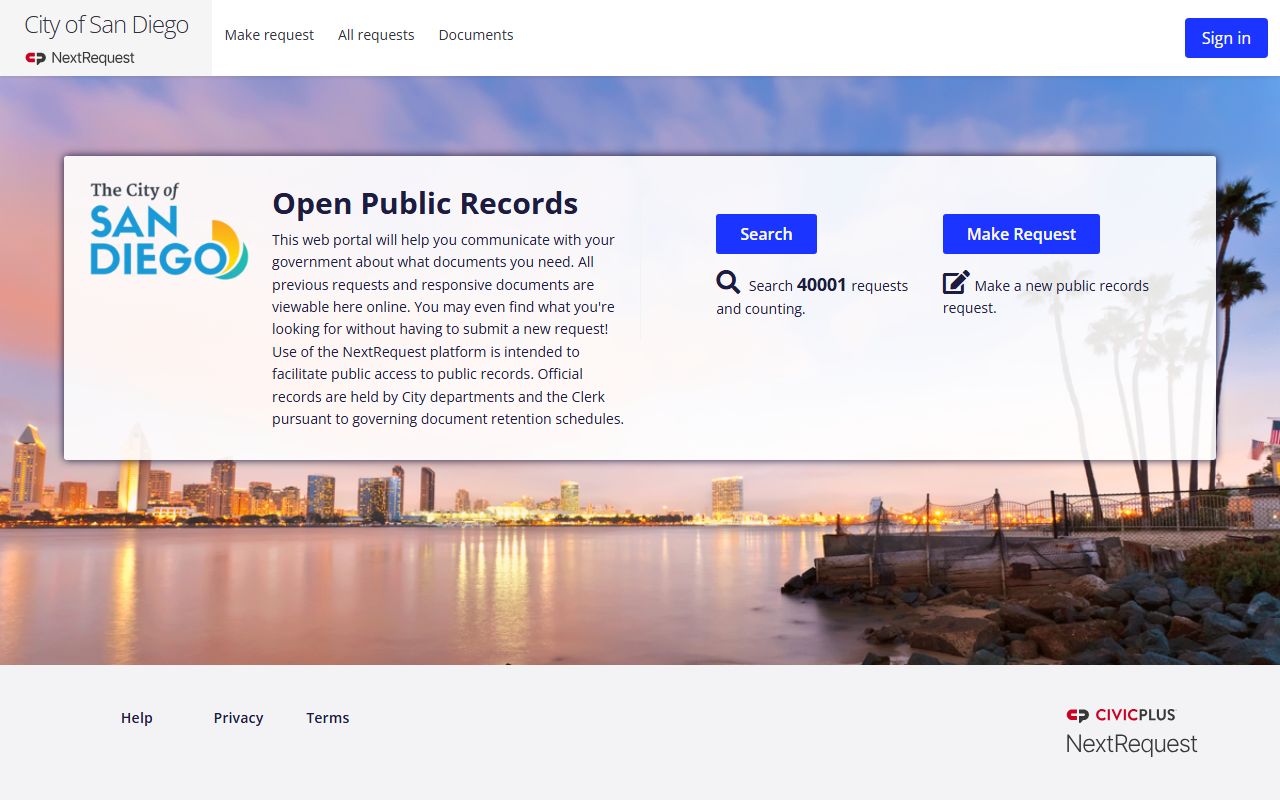
The city also runs a NextRequest portal for public records. Go to sandiego.nextrequest.com to submit formal requests. This system tracks your request and sends updates by email. It works well for complex requests that need review by city staff. Simple report requests often process faster through the standard form.
You can also email requests to sdpdreportrequests@pd.sandiego.gov. Include your name, contact info, the date of the incident, and any case numbers you have. Staff will respond with instructions on how to pay and get your copies. Email requests take a few days to process depending on volume.
San Diego County Jail Records
When someone is arrested in San Diego, they go to a city booking facility first. Most get transferred to county jail within 24 to 48 hours. The San Diego County Sheriff runs the main jail system. Their Who's In Jail search shows all current inmates across county facilities.
The county inmate search is at apps.sdsheriff.net/wij. Type in a name or booking number to find someone. The site shows charges, bail amounts, and housing location. It updates throughout the day as people come in and get released. One note: the site goes down for maintenance every Wednesday at noon.
San Diego County keeps arrest reports for 10 years. The fee for a county report copy is $20. Victims get one free copy. If you need a report from the sheriff rather than SDPD, contact their records unit at 9621 Ridgehaven Court or call 858-974-2222.
Note: SDPD arrests appear in the city system first; check county jail for custody status after booking.
How to Search San Diego Arrest Records
There are several ways to look up arrest info in San Diego. Each method works better for different needs. Pick the one that fits what you are trying to find.
For current custody status, use the county jail search. This tells you if someone is locked up right now. It shows which facility they are in and what their bail is set at. The search is free and open to the public at any time except during Wednesday maintenance windows.
For historical arrest data, you need to file a records request. The city and county both have systems for this. California Government Code Section 6254(f) controls what law enforcement can release. Some details in arrest reports are exempt from public access. Reports about active investigations stay confidential until the case closes.
Court records are another source. The San Diego Superior Court has an online case search. If charges were filed, you can look up the case and see court documents. This includes arraignment dates, plea information, and case outcomes. Court records often have more detail than police reports once a case moves through the system.
San Diego Police Report Fees
San Diego has specific fees for different types of records. Knowing what to expect helps you plan your request.
- Standard police report: $12
- Arrest report first page: $0.50
- Accident/collision report: $12
- Copies beyond first page: varies by document
- Victim's first copy: Free
Payment options include cash, check, or money order. Some requests can be paid online through the city portal. Credit cards may have an added processing fee. If you mail a request, include a check made out to the City of San Diego.
Processing time runs about 3 to 10 business days for most requests. Complex requests or those needing legal review take longer. The California Public Records Act gives agencies 10 calendar days to respond. They can extend that by 14 more days if needed for unusual circumstances.
California Arrest Record Laws
State law controls what arrest information is public. Penal Code Section 11105 defines state criminal history information. This includes arrest dates, charges, and case outcomes maintained by the California DOJ.
Local police keep separate records under Penal Code 13300. These are the reports you request from SDPD. They contain details about the arrest, officers involved, and preliminary findings. Not everything in these reports is releasable. Names of witnesses and certain investigative details often get redacted.
If you have a San Diego arrest on your record, you may be able to get it sealed or expunged. Penal Code 851.91 allows sealing of arrests that did not lead to conviction. Penal Code 1203.4 covers dismissal of charges after probation ends. These processes do not erase the record but limit who can access it.
The Fair Chance Act affects employment. Under Government Code 12952, most employers cannot ask about arrests before making a job offer. San Diego employers with five or more workers must follow this rule. Convictions can be considered but arrests without conviction generally cannot factor into hiring.
Victim Notification in San Diego
Crime victims in San Diego can sign up for alerts about offenders. The VINE system tracks custody status across California. When someone gets released from jail, VINE sends a notice. You can get alerts by phone, text, or email.
Register at vinelink.vineapps.com or call 1-877-411-5588. You need the offender's name or booking number. The system covers all San Diego County facilities plus state prisons. It runs 24 hours a day and sends alerts within minutes of a status change.
SDPD also has victim assistance staff. They can help you get copies of reports and understand your rights under Marsy's Law. California gives crime victims strong protections including the right to be notified about case developments. Contact the department's victim unit for help navigating the process.
Nearby San Diego Area Cities
San Diego is the largest city in the county but several other cities have their own police departments. If you need arrest records from a nearby city, check these pages for local contact info and request procedures.