
Search Los Angeles Arrest Records
Los Angeles arrest records come from two main sources. The Los Angeles Police Department handles arrests in the city. The LA County Sheriff's Department runs the jail system where people are booked. If you need to find arrest data in Los Angeles, you can check the LAPD records portal or the county inmate search. The city also posts open data about arrests that anyone can access without fees. This guide shows you where to search and how to request records from the right agency.
Los Angeles Quick Facts
LAPD Arrest Records Database
The Los Angeles Police Department keeps its own arrest data. This data goes into a public database on the city's open data portal. You can view LAPD arrest data from 2020 to present without signing up or paying fees. The system shows arrest dates, charges, locations, and basic info about each case.
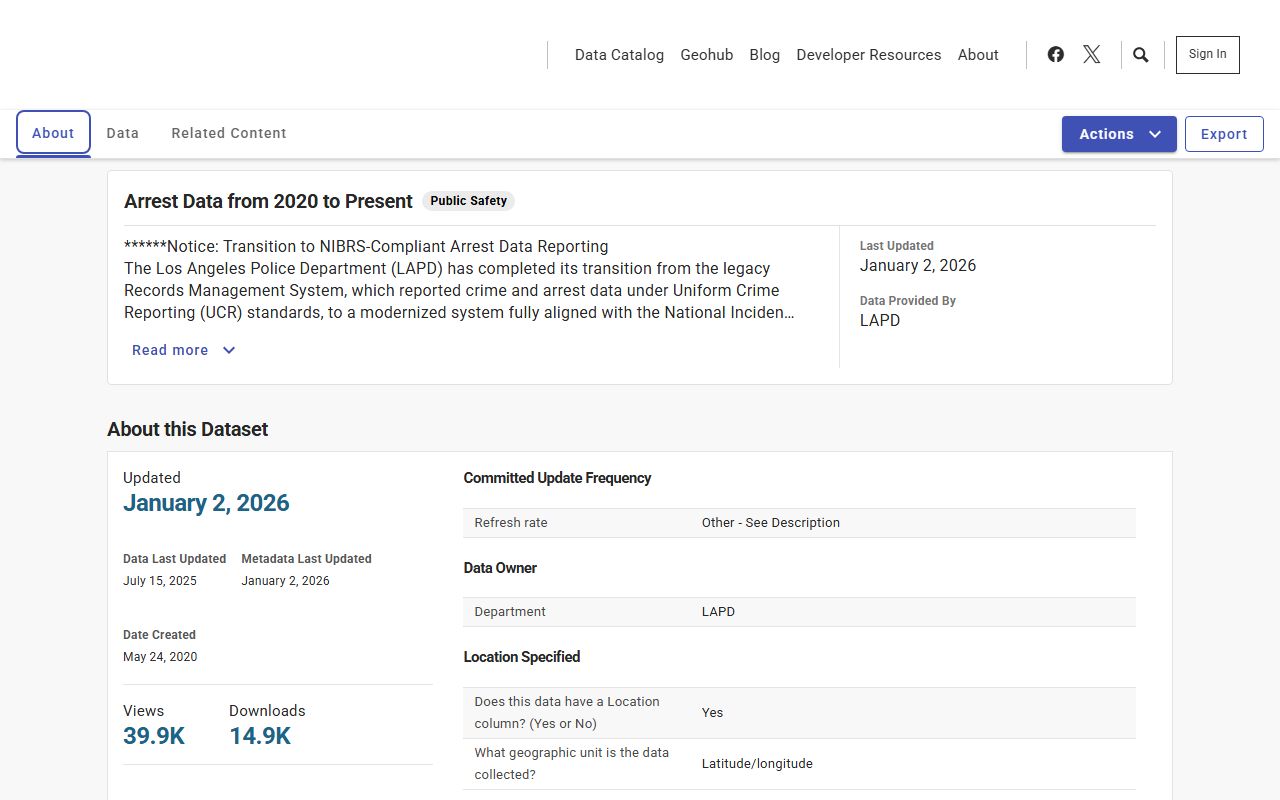
This arrest data updates on a regular basis. It does not show names or personal details for privacy reasons. You get a view of arrest trends and types across the city. The data can be filtered by area, date range, and charge type. It works well for research or checking general arrest patterns in different parts of Los Angeles.
For specific arrest records tied to a person, you need to go through the formal records request process. The open data portal gives you stats and patterns but not individual case files.
Los Angeles Police Records Division
The LAPD Records and Identification Division handles requests for arrest reports and other police documents. Their office is at 100 West 1st Street, Room P1-731, Los Angeles, CA 90012. You can reach them by phone at (213) 486-8300. This is the place to call if you need a copy of an arrest report or want to check on a records request.
California law limits who can get arrest reports. Under Government Code Section 6254(f), many police investigation records are exempt from public release. The LAPD may deny your request depending on the case status and your relationship to it.
Getting records takes time. Expect 3 to 14 business days in most cases. Some requests take longer if the case is complex or involves ongoing matters. The LAPD processes thousands of requests each year so there can be a backlog.
You can visit the LAPD Records and Identification Division page for forms and more details. The site has info on fees, what you can request, and how to submit by mail or in person.
Note: Arrest reports differ from booking records, which are held by the county jail system.
Los Angeles County Jail Information
When someone gets arrested in Los Angeles, they get booked into the LA County jail system. The Los Angeles County Sheriff's Department runs all the jails in the county. This includes people arrested by the LAPD. So even though the city police make the arrest, the county handles the booking and custody.
To find someone in jail, use the LA County Sheriff's Inmate Information Center. You can search by name or booking number. The system covers all county facilities. Booking data may take 2 to 6 hours to appear after an arrest.
The 24-hour inmate information line is (213) 473-6100. This line runs all day and night. Staff can help you find out if someone is in custody and which facility holds them. The county has multiple jails spread across the region, so knowing the location helps if you plan to visit.
The LASD also posts information about custody rules, visiting hours, and how to put money on an inmate's books. All of this goes through the county system, not the city. If you need booking records, the county is the right place to ask.
How to Request Arrest Records in LA
Start by figuring out which agency made the arrest. If it was the LAPD, contact their records division. If it was the Sheriff or another agency, contact that agency instead. Los Angeles has many law enforcement agencies working in the area.
For LAPD records, you can submit a request by mail, fax, or in person. The California Public Records Act gives you the right to request many types of documents. But arrest reports have limits. The law treats them differently than other public records.
Here is what you typically need to include in a request:
- Your full name and contact info
- Date of the incident or arrest
- Location where it happened
- Names of people involved if known
- Case or report number if you have it
Fees vary based on what you request. Basic copies cost about $0.10 to $0.25 per page at most agencies. Full reports may have flat fees. Some agencies charge nothing for certain types of records. Ask before you submit so you know what to expect.
The California Department of Justice also keeps statewide criminal history records. Under Penal Code 11105, you can request your own RAP sheet for $25. This shows arrests and dispositions from across the state, not just Los Angeles.
Los Angeles Criminal Court Records
Arrests lead to court cases. The Los Angeles Superior Court handles criminal cases for the city and county. Their online case search lets you find cases by defendant name. You can see case numbers, filing dates, and court locations.
The court search covers felony cases from 1980 forward. Misdemeanor records go back to 1988. Guest users pay $4.75 per search. Registered users get lower rates. Document copies cost extra.
Court records show what happened after the arrest. You can see if charges were filed, what the outcome was, and sentencing information. This fills in the picture that arrest records alone do not show. Many people check both the arrest data and the court records to get the full story.
California Arrest Record Laws
Several state laws control how arrest records work in Los Angeles. The Penal Code 13300 defines local summary criminal history information. This is what local agencies compile about arrests in their area.
Penal Code 851.91 allows people to petition for sealing arrest records that did not lead to conviction. If your arrest did not result in charges or you were found not guilty, you may qualify. The court reviews each petition.
The state also has automatic record relief under Penal Code 1203.4. This allows dismissal of certain convictions after probation ends. It does not erase the arrest but changes how it shows on background checks.
The Fair Chance Act limits when employers can ask about criminal history. Employers with five or more workers cannot ask about arrests or convictions before making a job offer. This applies to jobs in Los Angeles and across California.
Nearby Los Angeles Area Cities
Los Angeles sits in a dense urban region with many other cities. Each city over 50,000 people may have its own police department with separate arrest records. Here are nearby cities in the greater Los Angeles area.